

Details
Biography
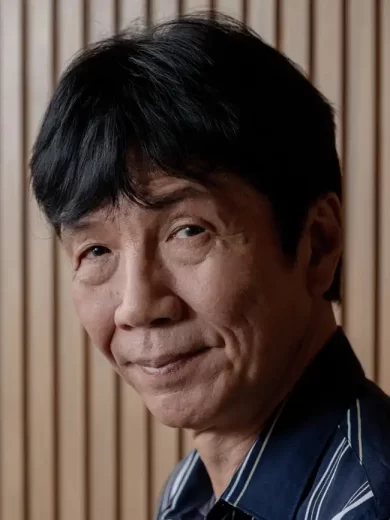
Cheung Ka-nin, better known by his stage name Tai Pao, is a seasoned actor active in Hong Kong and Taiwanese cinema since the 1970s, particularly recognized for his compelling portrayals of villainous and triad supporting characters. Born in British Hong Kong and raised in Taiwan, he became fluent in Taiwanese Hokkien early in life—a fluency that enabled him to convincingly depict characters rooted in Taiwanese identity with natural authenticity.
In his formative career, Tai Pao participated as a supporting actor in projects under Sammo Hung’s "Hung Ka‑ban" and Jackie Chan’s "Cheng Ka‑ban," appearing in classics of the zombie, martial-arts comedy, and gangster film genres, establishing himself as a memorable presence to audiences. His transition into acting was gradual: beginning behind the camera as script supervisor, marketing officer, assistant director, and execution director. These backstage roles equipped him with deep comprehension of filmmaking processes and an authenticity in performance, elevating his later on-screen work in supporting roles.
Tai Pao’s breakthrough came in 1999 with the Taiwan film The Cabbie (Chinese: 運轉手之戀), directed by Chen Yi-wen and Chang Hua-kun. His portrayal of a father in that film earned him the Golden Horse Award for Best Supporting Actor and the Commercial Film Best Supporting Actor award at the Taipei Film Festival, solidifying his visibility within the broader Mandarin-language film community Wikipedia+9Wikipedia+9m.wmoov.com+9.
In 2007, he starred in the Taiwanese TV drama The Blossoming Iron Tree (鐵樹花開), where his performance garnered the Best Supporting Actor in a Drama Programme at the 42nd Golden Bell Awards. A notable incident occurred during the award ceremony when a misprinted envelope initially awarded the prize to actor Chang Kuo-chu; the organizers responded by awarding the honor jointly to both actors, a moment widely reported and remembered for spotlighting Tai Pao’s professionalism and acting prowess.
Specializing in roles such as triad figures, authority figures, or antagonistic supporting characters, Tai Pao's mature and reserved acting style masterfully conveys character through subtle gestures and presence. He has taken roles in many films associated with the "Hung Ka‑ban" and "Cheng Ka‑ban" lineages, as well as Hong Kong triad cinema, martial-arts comedies, and period wuxia films. Notably, he collaborated with Taiwanese New Wave director Hou Hsiao-hsien in A City of Sadness (1989), where he delivered dialogue in Taiwanese, Cantonese, and Shanghainese—highlighting his linguistic flexibility and resonance with Taiwan's local audience.
Over decades, Tai Pao has become an iconic figure in the Hong Kong–Taiwan entertainment world. His portrayals of triad boss roles or gangster characters possess charisma and gravity. His strong connection to Taiwanese cinema is epitomized by his fluent performance in Taiwanese Hokkien, leading many to believe he is a native Taiwanese. His consistent excellence across film genres, coupled with multiple award recognitions, underscores his sustained strength as a screen performer and his enduring support from viewers.
In summary, Tai Pao stands out as a veteran actor uniting performance skill and audience rapport. With extensive experience both behind and in front of the camera, his career spans decades across Hong Kong and Taiwanese film and television. Known for seamless Taiwanese-language roles and strong triad characterizations, his body of work spans generations and has established him as a cornerstone of Mandarin-language supporting and tough-guy roles.
